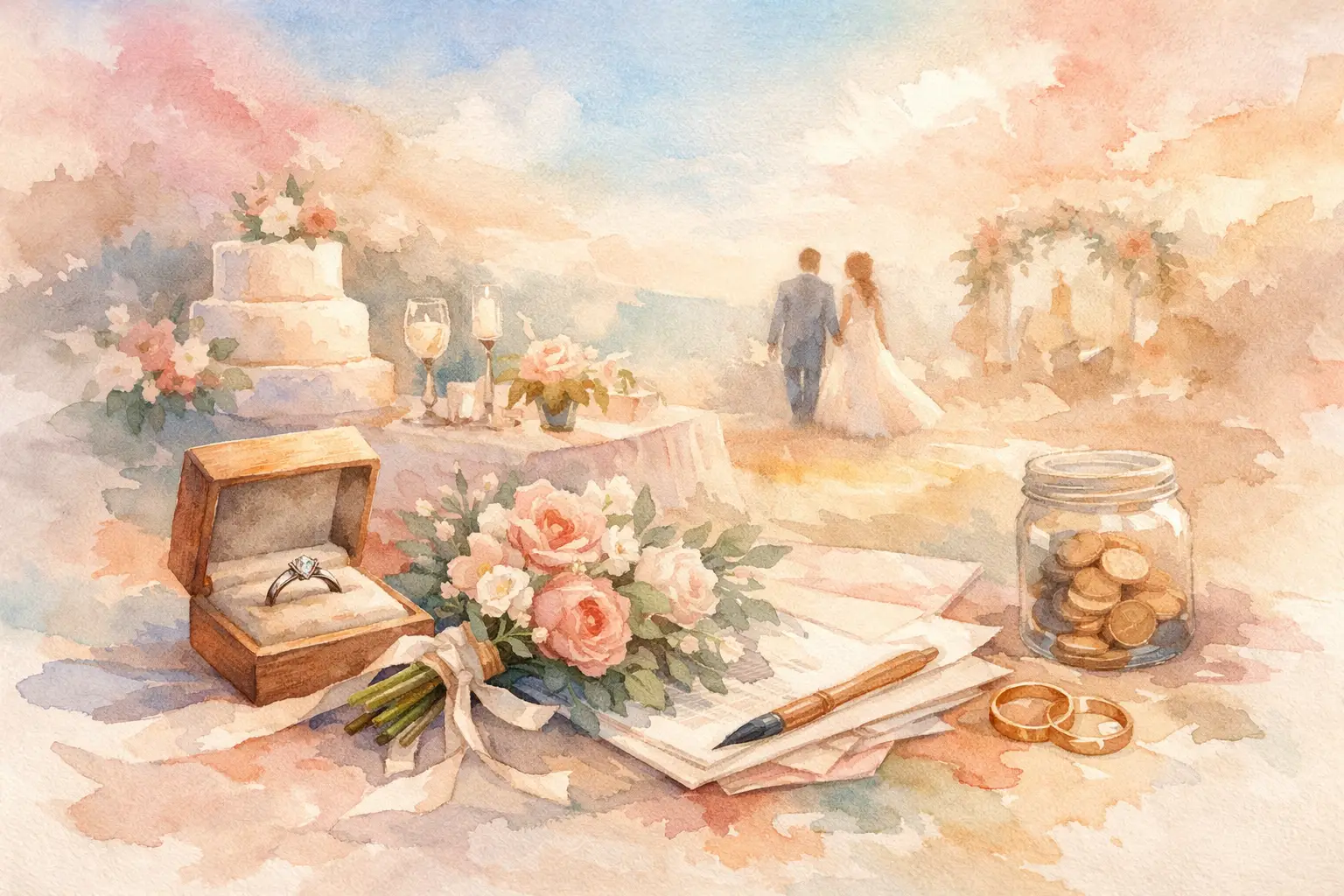
The first budget conversation usually happens somewhere between excitement and sticker shock. You start pinning florals, venues, dresses, and tablescapes, and then the numbers show up. That is exactly why wedding planning tips on a budget matter so much – not because a lower budget means a less meaningful day, but because thoughtful choices often create the most personal celebrations.
A beautiful wedding does not come from spending without limits. It comes from knowing what matters to you, where to be flexible, and how to make each decision support the experience you actually want. Budget planning is not the least romantic part of the process. In many ways, it is what protects the parts you care about most.
Start with your real priorities, not the average wedding
Before you compare venues or request quotes, decide what kind of day you want to remember. Some couples care most about amazing food and a packed dance floor. Others want intimate vows, gorgeous photos, or a setting that feels deeply personal. The budget gets easier to manage when you stop trying to build the internet’s version of a wedding and start building your own.
Choose your top three priorities together. If photography, food, and live music matter most, let those areas take a larger share of the budget. That usually means being more practical somewhere else, like paper goods, favors, or elaborate rentals. The trade-off is not a loss. It is a design choice.
This is where many couples overspend without realizing it. They try to do every traditional element at a high level, even the ones they do not care much about. A tighter budget rewards clarity. When you know your non-negotiables, it becomes easier to say no without second-guessing yourself.
Build a budget around guest count first
If there is one decision that affects almost every wedding expense, it is the guest list. More guests usually means a larger venue, more meals, more rentals, more tables, more invitations, and often more stress. That is why one of the most effective wedding planning tips on a budget is to get honest about capacity early.
A smaller guest list can create room for details that would otherwise feel out of reach. You may be able to host the wedding in a more meaningful location, serve a nicer meal, or invest in a photographer you truly love. On the other hand, if a large celebration is central to your vision, you may need to simplify decor, shorten the bar package, or choose an off-peak date to make the numbers work.
There is no perfect number, only the number your budget can support with comfort. Try to avoid inviting people out of guilt, habit, or pressure. Weddings feel best when the room is filled with people who genuinely belong there.
Choose timing that saves money without feeling like a compromise
Date and timing influence cost more than many couples expect. Saturday evenings in peak wedding season tend to come with the highest prices, while Fridays, Sundays, brunch weddings, and winter dates can offer meaningful savings. That does not mean every off-peak option is automatically a better deal, but flexibility gives you leverage.
A lunch or afternoon wedding, for example, often allows for a lighter menu, fewer bar hours, and a naturally softer atmosphere. A Sunday celebration may open the door to a venue you thought was out of reach. If your dream is a candlelit black-tie reception, a brunch wedding may not fit. But if your priority is a warm gathering with beautiful details, adjusting the schedule can work in your favor.
Season matters too. Florals, travel costs, and venue rates can all shift depending on the time of year. If you are open to designing around what is naturally available, your choices become both more cost-conscious and more cohesive.
Look for venues that already do part of the work
One of the smartest ways to reduce spending is to choose a venue that needs less transformation. A naturally beautiful garden, a restaurant with character, a historic home, or a venue that includes tables, chairs, linens, and basic decor can save far more than a blank space with a lower rental fee.
This is where initial pricing can be misleading. A less expensive raw venue may require rentals, lighting, staffing, power solutions, restrooms, setup coordination, and cleanup support. A more inclusive venue may cost more upfront but less overall.
Ask for the full picture before you decide. What is included, what must be rented, how long you have the space, and whether there are preferred vendors all matter. The goal is not just to find the lowest number. It is to find the option with the best total value for your style, guest count, and energy level.
Spend where guests will feel it most
When budgets are limited, focus on the parts of the wedding guests actually experience. Good food, a comfortable setting, clear flow, and a welcoming atmosphere usually make a bigger impression than expensive extras. People remember how the day felt.
That is why couples often do well by simplifying details that are beautiful but easy to trim. Formal programs, oversized welcome bags, custom signage for every corner, and elaborate favors can add up quickly. If those details genuinely matter to you, keep them. But if they are only there because they seem expected, that money may work harder elsewhere.
A thoughtful dinner, enough seating, good lighting, and a timeline that does not feel rushed often bring more value than trend-driven add-ons. Beauty still matters, of course. It just does not have to come from quantity.
Be strategic with flowers, decor, and rentals
Decor is where couples can quietly go over budget because each choice feels small on its own. A few upgraded chairs here, extra candles there, specialty linens, a custom backdrop, additional arrangements – it builds fast.
Start with the spaces that will appear most in photos or anchor the guest experience. Ceremony backdrop, head table, entry table, and reception tables usually carry enough visual weight without decorating every surface. Repurposing ceremony flowers at the reception is another practical choice that still feels polished.
Florals are especially flexible. In-season blooms, greenery-forward designs, bud vases, and a few strong focal arrangements can look elegant without requiring a full floral installation. If flowers are one of your top priorities, spend there intentionally and keep the rest of the decor restrained. If they are not, let lighting and thoughtful styling do more of the work.
Keep vendor conversations honest and specific
Vendors can often help you stay on budget, but only if they know what you are trying to accomplish. Instead of asking for everything and cutting later, be clear from the start. Share your budget range, guest count, and priorities, then ask what they recommend within those limits.
A good vendor may suggest options you had not considered, like shorter coverage windows, smaller floral packages, simpler cake designs, digital invitations, or menu adjustments that preserve the experience while reducing cost. This is one of those areas where it depends on the professional. Some vendors are more flexible than others, and some services have hard minimums.
It also helps to compare proposals based on what is included, not just the headline price. The least expensive quote is not always the best fit if it leaves out essentials you will need to add later.
DIY selectively, not emotionally
DIY can save money, but it can also cost time, create stress, and produce mixed results if you take on too much. The best DIY projects are the ones that are simple, meaningful, and easy to complete well ahead of the wedding. Think welcome signs, table numbers, small favors, or a photo display with sentimental value.
Items that require last-minute assembly, transportation, refrigeration, or technical skill are riskier. Fresh florals, complicated desserts, large installations, and day-of setup can become overwhelming fast. If you are relying on family and friends, be realistic about what they can manage while still enjoying the day.
A good rule is to DIY only what feels manageable on your busiest week, not what seems possible months in advance.
Give yourself a buffer and permission to edit
Even careful budgets need breathing room. Unexpected fees, altered guest counts, gratuities, beauty appointments, and small last-minute purchases are common. A contingency line helps absorb those surprises without turning every update into a crisis.
Just as important, revisit the budget throughout the process. If one category goes over, decide where you will scale back instead of pretending it will balance out later. Weddings are emotional, and spending tends to happen most easily when decisions are made in isolation.
Staying within budget is not about being rigid. It is about being awake to your choices and willing to edit as your plans become more concrete.
The most memorable weddings rarely feel expensive for the sake of being expensive. They feel cared for, intentional, and true to the couple at the center of them. If your budget helps you plan with more clarity and less pressure, it is doing exactly what it should – making room for a celebration that feels beautiful because it actually fits your life.
Leave a Reply